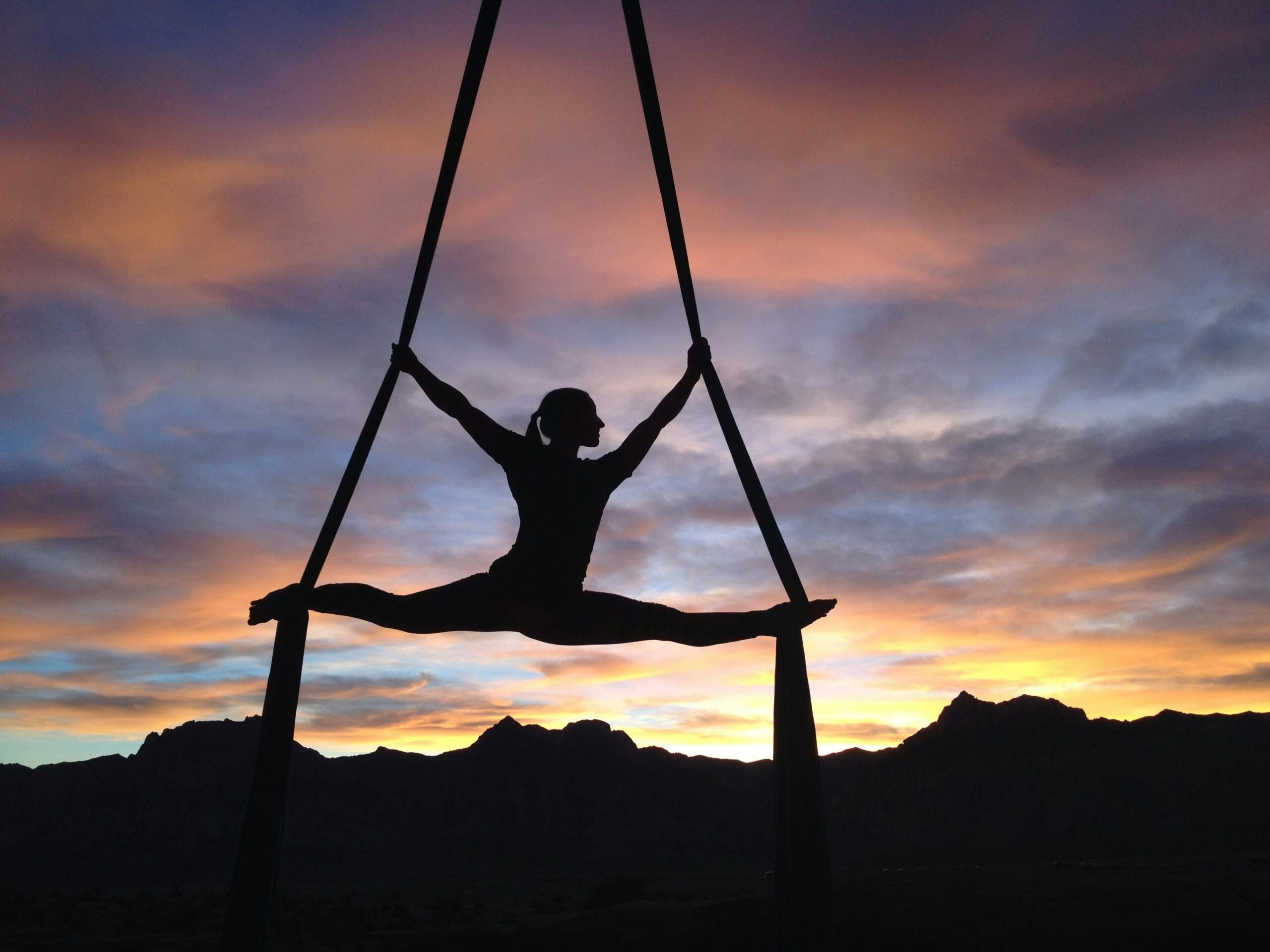
How to Get Started with Aerial Yoga at Home
Have you ever watched in awe as someone effortlessly hangs upside down in a yoga hammock and thought, I wish I could try that? Good news: you can! Aerial yoga – practicing yoga on a suspended fabric swing (aka an aerial hammock) – isn’t just for studios. With the right approach, you can absolutely do it at home. In this guide, you’ll learn everything you need for your at-home aerial yoga journey, from setting up a yoga swing to mastering beginner-friendly moves. We’ll also cover safety tips, equipment must-haves, and the amazing physical and mental benefits of this playful practice.
What Is Aerial Yoga?
Aerial yoga (sometimes called antigravity yoga or part of the broader aerial fitness trend) combines traditional yoga poses with acrobatics using a suspended cloth swing. In a typical aerial yoga session, you’ll use a long silk hammock attached to the ceiling to support your body as you bend, stretch, and even hang upside down. The hammock acts like a prop – kind of like a yoga strap or block – but way more fun! It can fully support your weight or help you balance in tricky poses.
Think of it as doing yoga in mid-air. You might be standing on the ground holding the fabric for support in one moment, then sitting in the swing the next, or even cocooned inside it for a floating relaxation. Because the silk supports you, you can move into poses that might be challenging on a mat, like backbends or yoga inversions (upside-down poses), with more confidence and less strain. Yes – you’ll feel a bit like a circus acrobat and a yogi at the same time, but you don’t need to be an acrobat to begin! Aerial yoga is surprisingly beginner-friendly when you start low and simple – even if you’ve never tried regular yoga before.
Aerial yoga isn’t just for studios – with the right gear and a sturdy support, you can set up a yoga swing at home (in a living room, garage, or even outdoors). It adds a whole new dimension to your practice, and you can ease into it at your own pace.
Why Try Aerial Yoga? Benefits for Body and Mind
One of the best motivators to try aerial yoga at home is the wonderful range of benefits it offers. This style of yoga can make you feel stronger, more flexible, and yes, even happier. Let’s break down some key physical and mental benefits:
Physical Benefits of Aerial Yoga
- Full-body strength and toning: Lifting and holding yourself in the swing works muscles all over. Your arms, shoulders, core, and legs all pitch in to keep you steady and move through poses. It’s a fun way to build strength without even realizing it. Over time, aerial yoga will gently tone and strengthen your body from head to toe.
- Spinal decompression (back relief): One of the coolest perks is that hanging upside down can help decompress your spine and jointshealthline.com. The gentle traction from inverting often relieves pressure in the back and neck – many people say their spine feels “longer” afterward. It’s like using an inversion table, but a lot more fun! Even mild swinging in the fabric can help ease tension in your body.
- Low-impact, heart-healthy workout: Aerial yoga gets your blood pumping without the harsh impact of running or jumping. Because the movements are low-impact, it’s gentle on your joints. Yet it still counts as moderate exercise – one study by the American Council on Exercise found that 50 minutes of aerial yoga burned about 300 calories and reduced risk factors for heart diseasehealthline.com. You get a cardio, strength, and flexibility session all in one, minus the joint strain. It’s also a great complement to your mat practice – on days off from the hammock, you can try a yoga for flexibility routine on the floor to keep improving.

Mental Benefits of Aerial Yoga
- Stress relief and joy: There’s something playful about swinging in a hammock – that sense of play is great for stress relief. The novelty of aerial yoga keeps you engaged in the moment, so everyday worries tend to fade away. Many people report leaving an aerial session feeling lighter, happier, and less stressed. A small study found that people practicing aerial arts had significant drops in stress and depressionhealthline.com – proof that hanging upside-down might just flip your mood in a good way.
- Deep relaxation: In the final relaxation pose (cocoon pose or “floating savasana”), you lie completely inside the hammock like a snug blanket fort. The gentle pressure of the silk and the subtle rocking motion can lull your nervous system into a state of calm, almost like being cradled. It’s a wonderful way to unwind.
Setting Up Your Aerial Yoga Space at Home
Now that you’re excited to try aerial yoga, let’s talk about how to set it up at home. You don’t need a fancy studio – but you do need the right setup and equipment to practice safely. Here’s what to consider when creating your own aerial yoga space:
Equipment You Will Need
- Aerial yoga hammock or swing: This is the fabric sling that supports you. You can find dedicated yoga swings or aerial hammocks online or in sports stores. Choose a high-quality material (often nylon or silk) that can support at least 300 lbs (about 140 kg)fitsri.com. Many kits come with the fabric plus mounting accessories. Note: hammocks are usually a loop of fabric, while yoga swings often include handles and straps – either is fine for beginners.
- A secure hanging point: You’ll need a strong place to hang your hammock. If possible, install sturdy ceiling hooks into a load-bearing beam (use proper bolts and follow the instructions). If ceiling installation isn’t an option, consider a solid door-frame pull-up bar that’s rated for a swing, or invest in a freestanding aerial yoga stand. Whichever method you choose, ensure it can safely hold more than your body weight. When in doubt about installation, consult a professional – safety first!
- Mounting hardware: Usually, heavy-duty carabiners and adjustable straps (often included in hammock kits) connect the fabric to your anchor point. Use equipment specifically designed for aerial yoga or climbing, and double-check weight ratings on all components.
Creating a Safe Home Setup
- Pick the right spot: Find a location with enough clearance. Ideally, you want around 8–10 feet (2.5–3 m) of ceiling heightfitsri.com and about 6 feet (2 m) of open space on all sides. That way you can fully extend your body and swing a bit without hitting any walls or furniture.
- Secure your anchor: Double-check that your hammock’s anchor (hooks, bar, or stand) is installed correctly and securely. If you mounted hardware in the ceiling, make sure it’s in a solid beam and all screws are tight. Give the hammock a firm test pull before each session to be sure everything is holding well.
- Hang it low at first: Set your hammock height around your hip level or lower for starters. This means when you sit in it, you’re just a foot or two off the ground. Keeping it low helps you feel secure and makes any dismounts gentle. In fact, many beginner moves have you just a few inches off the floorfitsri.com.
- Wear the right gear: Practice aerial yoga barefoot (as in any yoga) and wear snug, comfortable clothing. Leggings and a fitted top (that covers your underarms) are ideal – they prevent friction burns from the fabric. Remove jewelry or anything that could snag the hammock, and tie up long hair. Essentially, keep things smooth and secure on your body so you can move freely.
- Health precautions: If you have certain medical conditions (like high blood pressure, heart issues, inner ear problems, or if you’re pregnant), get the OK from a doctor before going upside down. The same goes if you’ve had recent surgery or injuries – better to be safe.

Beginner Aerial Yoga Poses to Try
Once your equipment is all set and you’ve warmed up, it’s time to explore a few basic aerial yoga poses. Here are some beginner-friendly poses and tips on how to do them. Take it slow and enjoy the process – even just getting a feel for the hammock with these poses is a great accomplishment!
- Inverted Butterfly: Ready to go upside down (just a little)? Stand with the hammock behind your back and hips, like a band across your pelvis. Hold the sides of the fabric for support. Lean your weight back into the hammock and lift your feet off the ground, allowing your legs to form a wide “V” shape as you invert (your head will hang just a few inches from the floor). This gentle inversion stretches and decompresses your spine. Stay for a breath or two (only as long as you’re comfortable), then slowly bring your feet back down to return upright. This pose gives you a wonderful stretch and a big confidence boost the first time you do it.
- Aerial Cocoon (Relaxation Pose): This might become your favorite part. Sit in the hammock and then spread the fabric out underneath you, tucking your legs inside so you’re completely enveloped in the silk. Lie back and let the hammock wrap around you completely, forming a cozy cocoon. Close your eyes and breathe deeply as you gently sway. You’ll feel weightless and deeply relaxed. This is the aerial version of savasana (final relaxation) – the perfect, calming end to your practice. Stay here as long as you like and enjoy the blissful cocoon moment.
Embrace the Upside-Down Journey
Starting aerial yoga at home is a unique adventure for both your body and mind. With the right setup and a safety-first approach, you can enjoy the freedom of “flying” yoga in your own space. This uplifting practice helps you build strength and flexibility – a playful, peaceful twist on wellness that can rekindle your joy in exercise.
Now that you know the basics to get started – from choosing a sturdy hammock to trying your first inversions – you have everything you need to take flight. So why not clear a spot, hang up your swing, and give it a go? (P.S. If you’re loving the upside-down aspect, you might also enjoy our beginner’s guide to yoga inversions for more tips on flipping your perspective.) Remember, every expert was once a beginner just a few inches off the ground. With practice and patience, you’ll gain confidence each time you climb into the hammock.
If you’re ready, take a deep breath and grab hold of that hammock. Even if you begin by simply relaxing in cocoon pose, you’re doing something wonderful for yourself. The hardest part is just starting – and you’ve already taken care of that. Happy flying, and Namaste!
Frequently Asked Questions
Q: Is aerial yoga safe to do at home for beginners?
A: Yes, it can be safe for beginners as long as you take the right precautions. Make sure your hammock is securely installed (anchored into a strong ceiling beam or a proper stand) and check it before each use. Start with the hammock low to the ground and use a soft mat underneath for cushion. It’s also wise to go slowly and perhaps have a spotter.
Q: I’m not very flexible – can I still do aerial yoga?
A: Absolutely! You don’t need to be super bendy to start aerial yoga. In fact, the hammock can help you get into stretches more gently, supporting tight muscles so you can gradually increase your flexibility. Over time, you’ll likely find that you become more flexible by practicing. Remember, everyone starts somewhere – aerial yoga will meet you at your level and help you improve little by little.
Q: How high does my ceiling need to be for an aerial yoga swing?
A: You can make it work with a standard 8-foot (2.4 m) ceiling, but a bit higher (9–10 feet) is even better to give you extra room. What’s more important is having enough open space around you so you can fully extend your arms and legs without hitting anything. If your ceiling is on the low side, just keep the hammock closer to the floor when you practice.
Q: What should I wear for aerial yoga?
A: Wear comfortable, form-fitting clothes that cover your legs and armpits. For example, yoga leggings and a fitted t-shirt or long-sleeve top work well. This helps prevent the hammock from rubbing your skin. Also, remove any jewelry (rings, necklaces, etc.) and tie up long hair. Essentially, keep your outfit simple and snug so nothing gets caught in the fabric.
Q: Can aerial yoga help with back pain?
A: Many people find that gentle aerial yoga stretches help relieve back tension. Hanging upside down in the hammock can decompress your spine, which can alleviate pressure. The support of the fabric also lets you ease into backbends and stretches with less strain. However, if you have a serious back condition or injury, get your doctor’s approval before trying aerial yoga. When done carefully, it can be a wonderful way to stretch out a stiff back.
Written by Maya Thompson – Yoga Daily