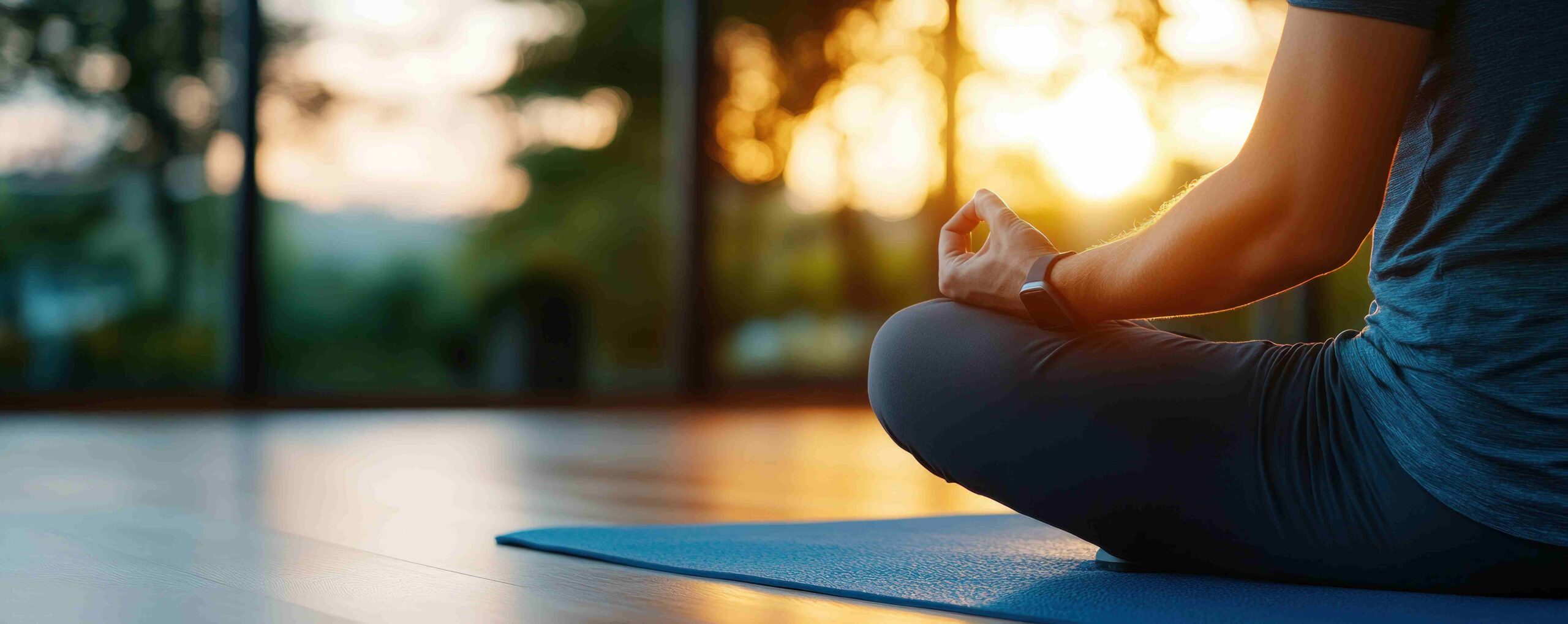
Ever noticed how even a few deep breaths can change how you feel? That’s the magic of yoga mindfulness — the practice of uniting body and mind through movement, breath, and awareness. In this article, you’ll discover seven science-backed ways yoga can ease stress, sharpen your focus, and restore inner peace. Whether you’re new to yoga or a long-time practitioner, these insights will help you experience how mental balance begins from within.
1. Reduces Stress and Calms the Nervous System
One of yoga’s most powerful gifts is its ability to melt away tension. Through deep breathing and gentle movement, yoga activates the parasympathetic nervous system — the body’s “rest and digest” mode.
Regular practice lowers cortisol levels, the primary stress hormone, helping you feel calmer and more grounded. When your body learns to relax on the mat, it carries that peace into your daily life.
Try this: Before bed, sit comfortably, close your eyes, and take five slow breaths. Inhale through your nose, exhale through your mouth, and notice your shoulders soften.

2. Enhances Focus and Mental Clarity
Have you ever felt like your mind was running a hundred miles an hour? Yoga teaches you to slow down. Each pose invites you to concentrate on your breath and movement — a simple yet profound way to train your mind to stay present.
Studies show that yoga increases gray matter density in brain regions linked to attention and memory. Over time, this mindfulness off the mat improves your ability to focus, make decisions, and handle distractions gracefully.
Pro tip: Add a 5-minute morning meditation before checking your phone. It sets the tone for a calm, productive day.
3. Promotes Emotional Stability and Inner Peace
Yoga mindfulness helps you build emotional resilience. By tuning into sensations and thoughts without judgment, you learn to ride life’s emotional waves instead of being swept away by them.
Think of each yoga class as emotional training — a chance to practice acceptance, patience, and compassion for yourself. Over time, this helps you find inner peace even during chaos.
4. Supports Better Sleep and Relaxation
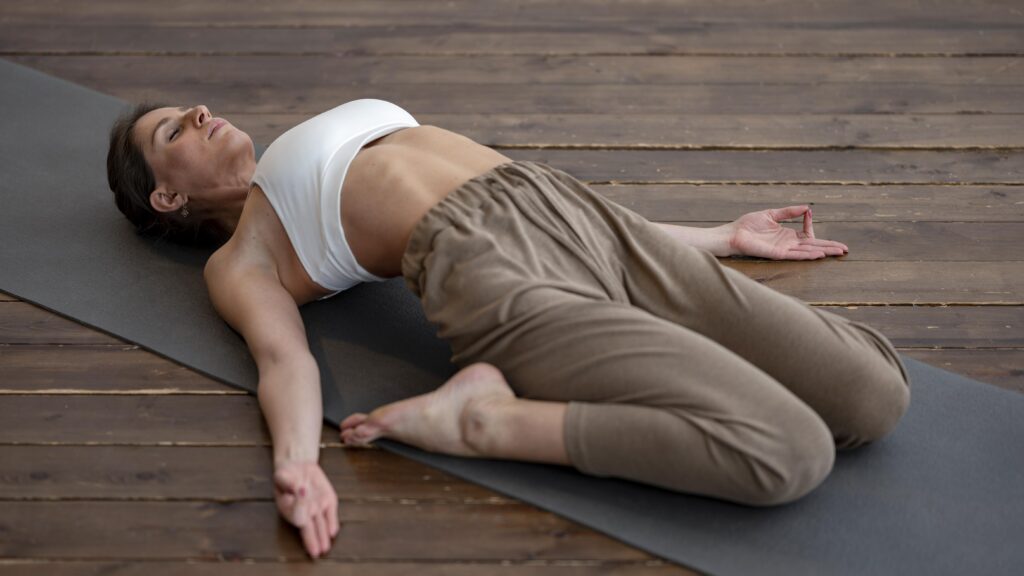
Many people struggle to “switch off” at night. Yoga helps by releasing physical tension and calming the mind. Practices like Restorative Yoga or Yoga Nidra are designed specifically for deep rest.
Gentle poses before bedtime — such as Legs-Up-the-Wall (Viparita Karani) or Reclined Butterfly Pose — signal your body that it’s time to unwind. You’ll wake feeling more refreshed and centered.
5. Boosts Self-Awareness and Mindful Living
In yoga, awareness is everything. When you move through poses mindfully, you notice how your body feels, how your breath flows, and how your mind reacts.
This heightened self-awareness extends beyond the mat — helping you recognize stress triggers, respond instead of react, and make healthier choices throughout your day.
Daily practice: Pause before eating, take a deep breath, and give thanks. That moment of gratitude is yoga in action — mindfulness woven into ordinary life.
6. Helps with Anxiety and Depression
Yoga has become a complementary therapy for anxiety and depression because it balances body chemistry and emotional rhythms.
Breathing techniques like Alternate Nostril Breathing (Nadi Shodhana) and slow, mindful sequences reduce racing thoughts and stabilize mood. Combined with movement, they create a gentle antidepressant effect — without side effects.
Tip: When anxiety rises, place your hand on your heart, take three full breaths, and silently repeat, “I am safe. I am here.”
7. Builds a Sense of Connection and Belonging
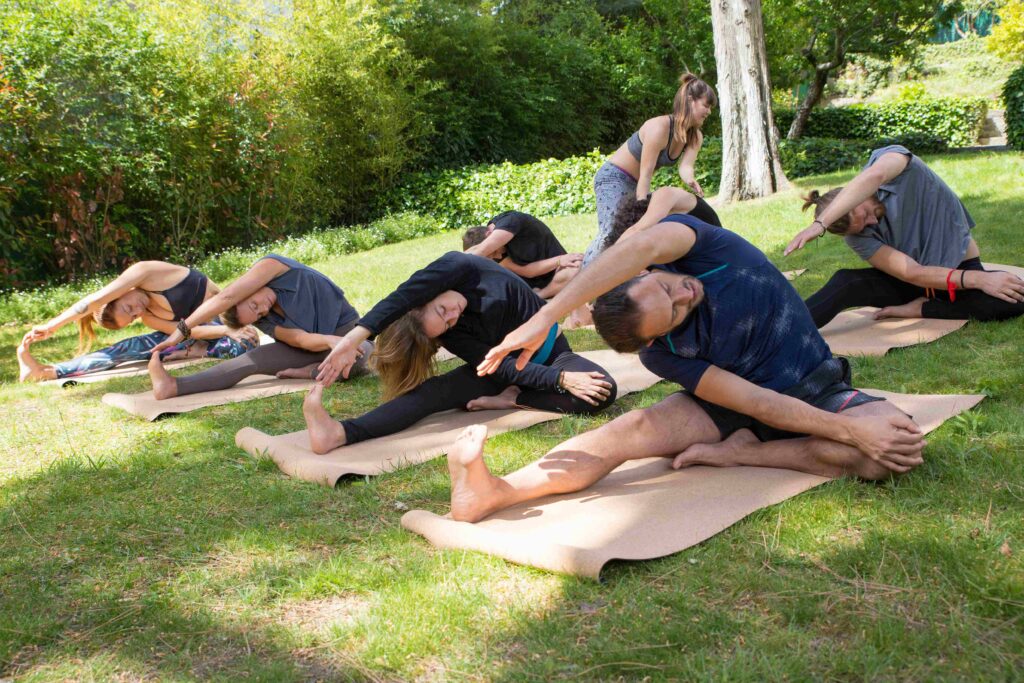
Practicing yoga — especially in group settings — fosters community and connection. Sharing the space, rhythm, and energy of others reminds you that you’re not alone in your journey.
Even solo practice connects you with something greater — your breath, your body, and the quiet intelligence of life itself. That sense of belonging brings profound mental balance and joy.
Bringing It All Together
Yoga isn’t just exercise — it’s a toolkit for the mind and soul. Through yoga mindfulness, you cultivate inner calm, emotional balance, and lasting resilience.
Start small: 10 minutes of mindful movement or breathing each day can shift your entire mental landscape. You’ll soon find that peace isn’t something you chase — it’s something you create.
Explore More on Yoga Daily
- Explore more gentle practices in Yoga for Beginners & Seniors.
- Deepen your awareness through Mindfulness, Somatic & Spiritual Yoga.
- Learn more about the scientific evidence behind yoga’s mental health benefits at (https://www.healthline.com/health/mental-health/yoga-for-anxiety).
Frequently Asked Questions
Q: How often should I practice yoga for mental health benefits?
A: Even 15–20 minutes a few times a week can make a noticeable difference. Consistency matters more than duration — small, regular sessions help build mental calm and focus.
Q: Can beginners experience mental health benefits from yoga?
A: Absolutely. You don’t need to master difficult poses to feel the effects. Gentle breathing, slow stretches, and mindful awareness are enough to promote relaxation and clarity.
Q: Which type of yoga is best for stress relief?
A: Restorative, Yin, and Hatha yoga are excellent for calming the nervous system. These slower practices emphasize breath and mindfulness over physical intensity.
Q: Is yoga a replacement for therapy or medication?
A: No, yoga complements but doesn’t replace professional care. Always consult a healthcare provider before making changes to your treatment plan.
Q: How does breathing affect mental health in yoga?
A: Conscious breathing reduces cortisol and improves oxygen flow to the brain, promoting calmness and focus. It’s one of the simplest yet most powerful mindfulness tools.
Written by Maya Thompson – Yoga Daily
Sources
- https://www.healthline.com/health/mental-health/yoga-for-anxiety
- https://www.yogajournal.com/meditation/yoga-mindfulness-science/
- https://www.psychologytoday.com/us/blog/in-practice/202304/how-yoga-helps-with-anxiety-and-depression
- https://www.verywellfit.com/benefits-of-yoga-for-stress-relief-3566878
- https://www.medicalnewstoday.com/articles/yoga-for-mental-health