Breathing is something we do around 20,000 times a day—yet most of us rarely think about how we breathe. In yoga, breath is more than oxygen intake; it’s energy, life, and awareness in motion. Through Breathwork Yoga, you’ll learn how to master Pranayama—the ancient art of conscious breathing—to calm your mind, energize your body, and anchor your spirit in the present moment.
Whether you’re a complete beginner or a seasoned practitioner, understanding the basics of breath control can transform your practice and your life. Ready to feel more balanced, focused, and alive? Let’s begin.
The Essence of Breathwork Yoga
Breathwork Yoga—or Pranayama—is one of the most powerful yet underappreciated aspects of yoga. “Prana” means life force, and “ayama” means extension or control. Together, they translate to the expansion of life energy through breath.
When you practice mindful yoga breathing, you’re not just filling your lungs; you’re awakening your entire system. It’s like switching on an internal light that clears the fog of stress and anxiety.

Why Breath Matters More Than You Think
Think about how your breath changes with your emotions: shallow during stress, steady when calm, deep when joyful. Your breath mirrors your inner world.
By learning to regulate your breathing, you learn to regulate your mind. That’s the heart of Breathwork Yoga—a direct line between body, mind, and energy.
The Science Behind Pranayama
Modern studies have shown that controlled breathing activates the parasympathetic nervous system—the body’s “rest and digest” mode. This lowers blood pressure, stabilizes heart rate, and reduces anxiety【https://www.healthline.com】.
The result? Greater clarity, emotional resilience, and physical vitality.
The Core Types of Pranayama (and How to Practice Them)
There are dozens of breathing techniques, but let’s focus on the foundational ones every yogi should know.
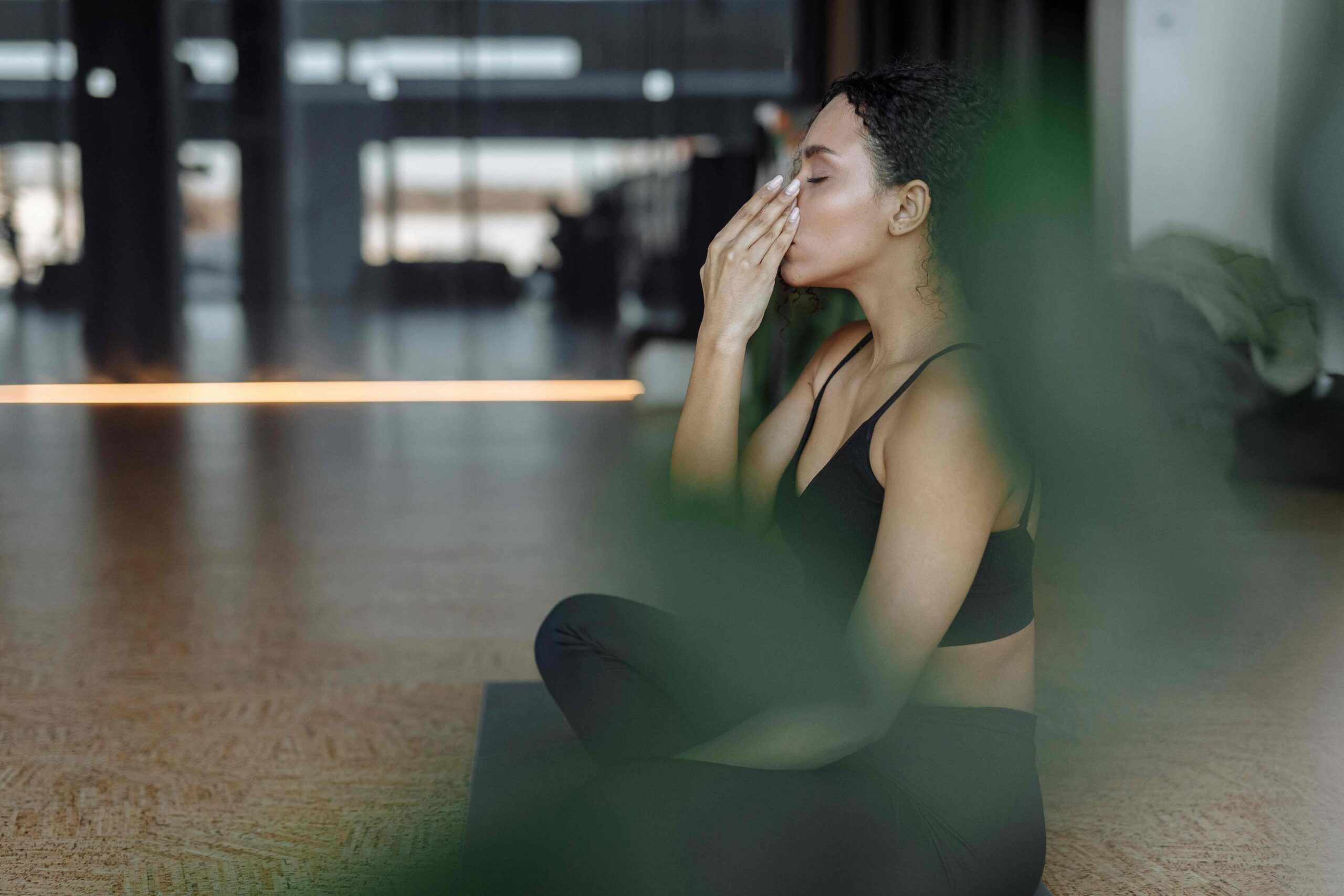
1. Nadi Shodhana (Alternate Nostril Breathing)
This balancing technique purifies your energy channels.
How to do it:
- Sit tall with your spine straight.
- Close your right nostril with your thumb and inhale through the left.
- Switch sides, closing the left nostril and exhaling through the right.
- Repeat for 5–10 cycles.
It harmonizes the two hemispheres of the brain and soothes anxiety—a perfect tool for focus and calm practice.
2. Ujjayi (Victorious Breath)
Known as the “ocean breath,” Ujjayi creates a soft sound in the throat, grounding your practice.
How to do it:
- Inhale deeply through your nose, slightly constricting your throat.
- Exhale slowly with the same sound.
- Maintain a steady rhythm during your asanas.
This technique helps maintain yoga energy and focus, particularly in dynamic flows.
3. Kapalabhati (Skull Shining Breath)
A detoxifying technique that boosts circulation and mental clarity.
How to do it:
- Take a deep inhale, then forcefully exhale through the nose.
- Let the inhalation happen naturally.
- Continue 20–30 short, rapid exhales.
It’s invigorating, but beginners should practice gently and on an empty stomach.
4. Bhramari (Bee Breath)
This calming breath soothes the mind and reduces stress.
How to do it:
- Inhale deeply through the nose.
- Exhale while making a humming sound, like a bee.
- Feel the vibration around your head and chest.
A few minutes of Bhramari can melt away tension and bring peace to the mind.

The Physical Benefits of Breathwork Yoga
Regular Pranayama offers tangible physical benefits that extend beyond the mat.
- Improved lung capacity – strengthens the respiratory system and oxygen flow.
- Better posture – mindful breathing promotes spinal alignment and core engagement.
- Boosted energy – breath control awakens dormant energy and enhances vitality.
- Detoxification – deep exhalations release toxins and stale air from the lungs.
In other words, your body becomes a cleaner, more efficient vessel for life energy.
The Mental and Emotional Power of Pranayama
Beyond the physical, Breathwork Yoga is a mental training ground.
When your breath is steady, your mind naturally follows.
Breath as an Anchor for Mindfulness
Have you ever noticed how hard it is to stay present when your mind is racing? Conscious breathing redirects your awareness to the now. Each inhale invites mindfulness; each exhale releases distraction.
Practicing yoga breathing regularly can reduce anxiety, improve emotional balance, and enhance concentration—a form of focus training for modern life.
Breath as Emotional Medicine
Your breath is your built-in therapy tool. A few minutes of slow, deep breathing can ease tension and shift your mood.
Try this: next time you feel overwhelmed, place one hand on your belly, close your eyes, and breathe deeply. Feel your body respond with calm and warmth.
How to Integrate Breathwork Yoga into Your Practice
You don’t need an hour-long session to experience the benefits of Breathwork Yoga. Even 5 minutes a day can make a difference.
Here’s a simple daily routine:
- Morning (3 minutes) – Start with deep belly breathing to awaken your energy.
- Midday (2 minutes) – Use Nadi Shodhana to refocus between tasks.
- Evening (5 minutes) – Try Bhramari to unwind and promote restful sleep.
Consistency matters more than duration. Make it part of your yoga or meditation routine and notice how your awareness sharpens over time.
Common Mistakes in Pranayama Practice
Even though breathing seems natural, incorrect techniques can strain the body or cause dizziness. Avoid these common errors:
- Holding your breath too long.
- Forcing the exhale instead of allowing it.
- Practicing right after eating.
- Neglecting posture—always keep your spine tall and shoulders relaxed.
Remember: Pranayama should never feel stressful. The goal is harmony, not performance.
Deepening Your Connection with Breath
Over time, you’ll notice that the boundary between your breath and your thoughts begins to dissolve. You’ll become more intuitive, peaceful, and grounded in daily life.
Pranayama teaches us that peace isn’t found in escaping the world—it’s in mastering our response to it, one breath at a time.
Explore More at Yoga Daily
If you enjoyed this guide, explore our articles on:
And for more science-backed insights into breath and wellness, visit Healthline’s guide to breathing techniques.
Your Breath, Your Power
Breath is the bridge between body and mind. Through Breathwork Yoga, you can unlock a deeper state of awareness, transform anxiety into calm, and live with greater intention.
So next time you roll out your mat—or even when you’re stuck in traffic—pause. Take a slow, mindful breath. That single inhale might just change your day.
Frequently Asked Questions
Q: What is the best time of day to practice Breathwork Yoga?
A: Early morning or before bed are ideal times. Morning energizes your system; evening breathwork supports relaxation and sleep.
Q: Can beginners practice Pranayama safely?
A: Absolutely. Start slowly with gentle techniques like deep breathing or Nadi Shodhana. Avoid forceful methods until you’re comfortable.
Q: How often should I do Pranayama?
A: Practicing for 5–10 minutes daily is effective. Consistency is more important than duration.
Q: Does Breathwork Yoga help with anxiety?
A: Yes, studies show that mindful breathing activates the parasympathetic nervous system, reducing stress and anxiety.
Q: Can I combine Pranayama with meditation?
A: Definitely. In fact, breath control prepares the mind for deeper meditation and enhances focus.
Written by Lila Morgan – Yoga Daily