Photography has a way of freezing a fleeting moment of grace—and yoga, at its core, is full of such moments. But how do you capture that perfect balance of power and peace through the lens? Whether you’re a yoga teacher, content creator, or simply love the art of mindful movement, mastering yoga photography can transform the way you see both your practice and the world around you.
In this guide, you’ll learn how to capture yoga’s beauty through creative techniques, posture awareness, and storytelling. We’ll explore the practical tools and mindset shifts that turn simple poses into artistic expressions.
The Art and Soul of Yoga Photography
Yoga photography isn’t just about snapping a pose—it’s about revealing the emotion behind the movement. A truly captivating yoga image radiates presence, not perfection.
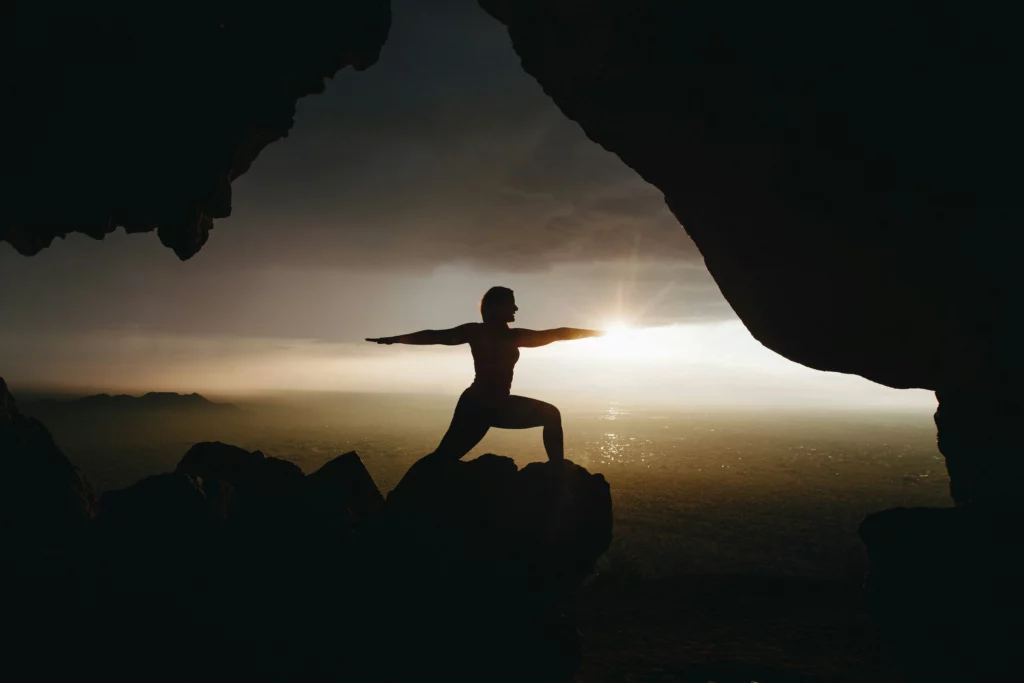
Think of it this way: every posture tells a story. The arch of a back in Ustrasana (Camel Pose) might express vulnerability, while the strength of a Warrior II shot reflects grounded power. The best yoga portraits capture energy, not just aesthetics.

Why Yoga Photography Matters
- It inspires others to begin or deepen their practice.
- It documents your growth and discipline as a yogi.
- It connects movement, breath, and artistry.
- It reminds us that yoga is both personal and universal—an art of being alive.
Essential Equipment for Capturing Yoga Portraits
Before you step on the mat—or behind the camera—having the right tools makes all the difference.
1. Choose the Right Camera and Lens
You don’t need a professional DSLR to get started. A smartphone with a good portrait mode can work wonders when used intentionally. For those diving deeper:
- 50mm lenses are ideal for sharp, intimate portraits.
- Wide-angle lenses highlight full-body poses and surroundings.
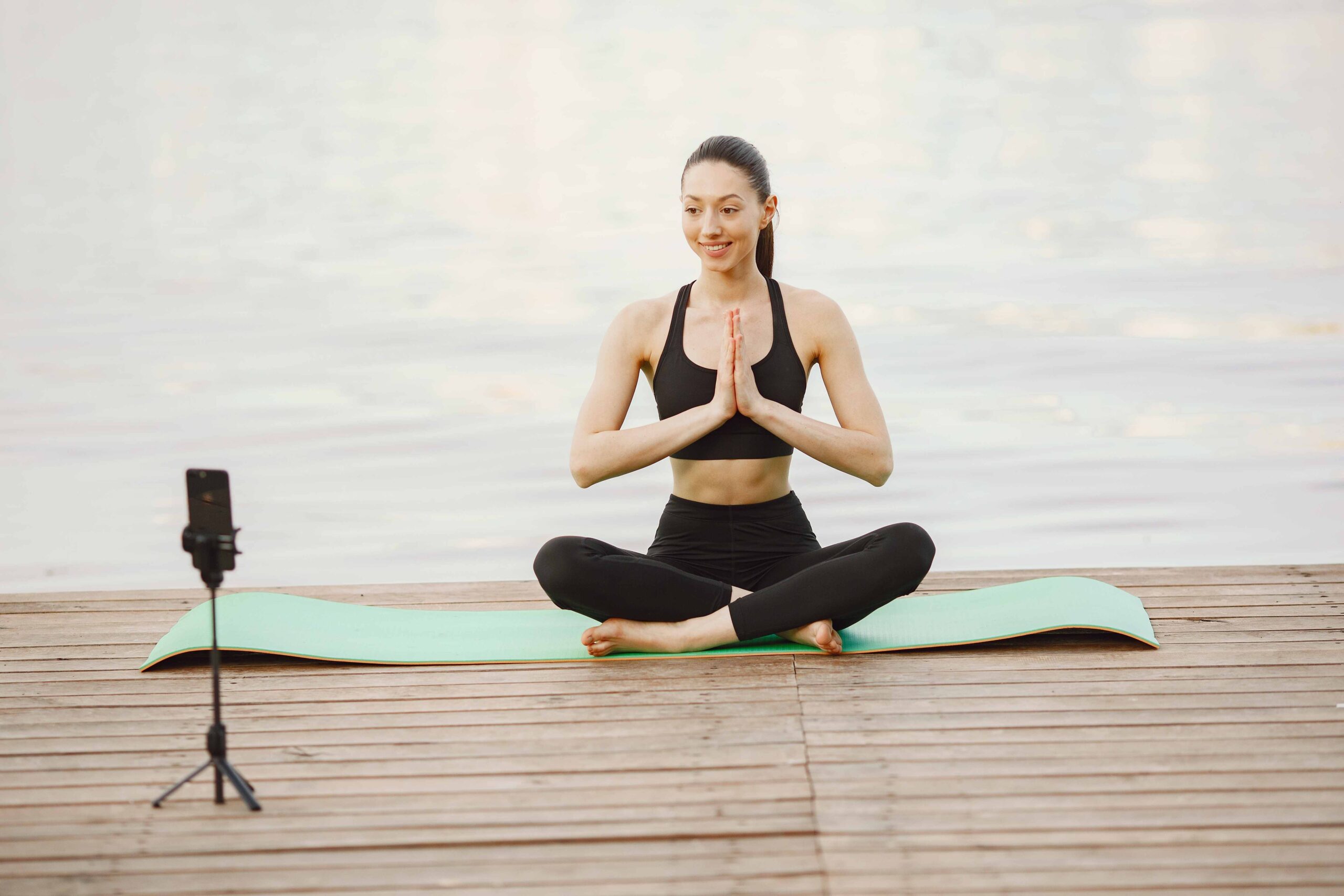
- Tripods keep your frame steady, especially for self-portraits.
2. Master Natural Lighting
Soft, natural light—especially during the golden hour (shortly after sunrise or before sunset)—adds warmth and serenity to your photos. Avoid harsh midday light unless you’re experimenting with dramatic shadows.
Tip: Face the light or position it slightly behind for a gentle glow that enhances the posture’s silhouette.
3. Simplify Your Setup
Keep distractions minimal. A clutter-free space allows focus on the subject—the practice itself. Neutral walls, open fields, or studio corners with natural textures (wood, stone, linen) elevate the photo without overpowering it.
Composition and Creativity: Turning Poses into Visual Poetry
A strong yoga photograph balances form and feeling. Here’s how to achieve that harmony.
1. Frame with Intention

Imagine the rule of thirds: divide your frame into nine equal parts. Place your subject (or focal point) at one of the intersections to create visual flow. This helps guide the viewer’s eyes naturally.
2. Capture Movement, Not Just Stillness
Yoga isn’t static. Try photographing transitions—like the shift from Plank to Downward Dog—to convey fluidity and breath.
3. Use Angles that Amplify Emotion
Low angles create strength; higher ones evoke calm and surrender. Experiment with side lighting to emphasize muscle engagement and the subtle rhythm of breath.
Bringing Personality to Your Posture Photography
Every yogi moves differently. Great posture photography celebrates individuality rather than forcing symmetry.
Tips to Express Authenticity
- Relax your face. A soft expression adds emotional depth.
- Connect to your breath. Inhale confidence; exhale stillness.
- Find your “signature pose.” Maybe it’s a backbend, maybe it’s a seated twist—choose what feels natural.
If you’re behind the camera, talk to your subject. Encourage them to feel rather than perform. The difference shows in every frame.

Creating Aesthetic Shots with Visual Storytelling
Yoga photography thrives on storytelling. Each image can reflect a journey—balance, transformation, or inner peace.
Setting the Scene
- Nature: A beach or forest reinforces spiritual harmony.
- Studio: Clean lines and soft tones evoke focus and simplicity.
- Urban spaces: Walls, rooftops, or quiet streets add contrast and creativity.
Use props—like a mat, block, or scarf—to create motion and layers in your composition. The goal? Make the viewer feel the energy of the pose, not just see it.
Editing for Mood and Balance
Even the best photo benefits from thoughtful post-processing.
The Editing Essentials
- Adjust exposure to brighten shadows without washing out detail.
- Enhance colors slightly—warm tones often suit yoga’s calm energy.
- Maintain realism. Over-editing can disconnect the photo from its soulful essence.
Apps like Lightroom, Snapseed, or VSCO offer user-friendly tools to fine-tune tones while preserving authenticity.
Step-by-Step: How to Capture Your Own Yoga Portrait
- Choose a pose that feels natural.
- Set your camera or phone on a tripod at hip level.
- Test lighting and adjust composition.
- Use a timer or remote shutter for stability.
- Take multiple shots—experiment with small adjustments.
- Review and choose the image that best expresses your energy.
Common Mistakes in Yoga Photography (and How to Fix Them)
- Overcrowded backgrounds: Keep it simple to highlight the pose.
- Rigid alignment: Slight imperfections show humanity.
- Ignoring emotion: Remember, energy beats aesthetics.
- Poor lighting: Move closer to windows or natural light sources.
When you prioritize feeling over form, every image becomes art.
Yoga Photography as Mindful Practice
Shooting yoga isn’t just a creative act—it’s meditation through the lens. It teaches patience, presence, and self-observation. You notice details you might overlook in everyday practice: the curve of the spine, the soft gaze, the subtle pause between breaths.
This mindfulness elevates not only your photography but also your yoga journey.
Continue Your Yoga Journey
Capturing yoga through the lens is a reflection of your personal evolution. It’s where mindfulness meets creativity—where a single photo can inspire countless others to reconnect with themselves.
Ready to explore more yoga aesthetics and studio inspiration? Check out more Yoga Daily insights in our Yoga Studio Design & Aesthetics category, or discover stunning pose challenges in our Yoga Poses & Challenges section.
Frequently Asked Questions
Q: What is the best time of day to shoot yoga photography?
A: Early morning and late afternoon, known as “golden hour,” provide soft, warm lighting that enhances your yoga portraits without harsh shadows.
Q: How can beginners start taking yoga photos without expensive gear?
A: Start with your smartphone, use natural light, and practice composition. Simple tools like a tripod or timer help you capture stable and intentional shots.
Q: Should I focus on perfect poses or natural movement?
A: Natural movement often feels more authentic. Focus on flow and expression rather than rigid alignment to make your photos resonate emotionally.
Q: What’s the ideal background for posture photography?
A: Minimalist environments—like beaches, studios, or nature scenes—help emphasize balance and serenity, essential qualities in yoga art.
Q: How can I stay creative in my yoga photography journey?
A: Experiment with new angles, lighting conditions, and locations. Let your emotions guide the frame; your authenticity will shine through the lens.
Written by Maya Thompson – Yoga Daily