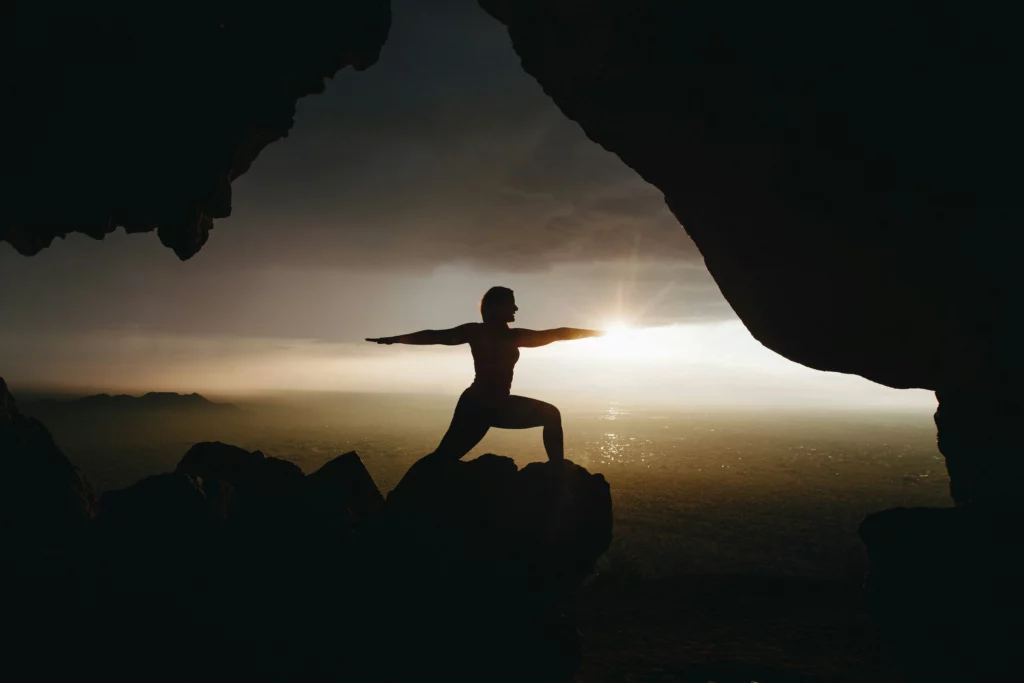
Thinking about joining your first yoga retreat… but not sure if the timing is right? These subtle signs may reveal that your body, mind and spirit are already asking for the experience.
There comes a moment when your usual routines stop feeling nourishing. Your yoga practice may still be there, your responsibilities still moving forward — but something inside begins craving deeper rest, clarity and reconnection. That’s often when the idea of a yoga retreat quietly appears.
A first yoga retreat isn’t just a vacation. It’s space. Space away from noise, pressure and constant stimulation. And sometimes, your nervous system starts asking for that space long before your mind fully realizes it.
If you’ve been wondering whether you’re ready for your first retreat, these signs may help you recognize the answer.
Why Yoga Retreats Feel So Transformative
Modern life keeps most people in a constant state of doing. Notifications, responsibilities, stress and overstimulation slowly disconnect us from ourselves.
A yoga retreat interrupts that pattern.
Through movement, breathwork, nourishing food, nature and intentional rest, retreats create an environment where your nervous system can finally soften. Many people describe their first retreat as the first time in years they truly exhaled.
And often, the decision to go begins with a feeling that something needs to change.

1. You Feel Constantly Mentally Exhausted
Not just tired — mentally overloaded.
Maybe your mind races at night. Maybe you feel emotionally drained even after resting. Or perhaps you’ve noticed that your body feels tense all the time without realizing why.
This is one of the clearest signs your nervous system may need a reset.
A yoga retreat offers something rare: uninterrupted space to slow down. No rushing between tasks. No constant stimulation. Just the opportunity to reconnect with your breath, body and inner rhythm.
Sometimes healing begins simply by stepping away from the noise.

2. Your Yoga Practice Feels Stuck or Disconnected
Many people reach a point where yoga starts feeling repetitive or purely physical.
You still attend classes. You still move through poses. But the deeper connection feels distant.
Retreats can completely change that.
Practicing yoga in nature, meditating at sunrise, sharing energy with like-minded people and learning from experienced teachers often brings the deeper essence of yoga back into focus.
It reminds you that yoga was never only about flexibility or postures. It’s about awareness, presence and connection.
3. You Crave More Meaningful Human Connection
One of the most unexpected parts of a yoga retreat is the people you meet.
Modern life can feel strangely isolating, even when surrounded by others. Conversations often stay on the surface. Retreat spaces tend to feel different.
People arrive open, reflective and emotionally present. There’s less performance and more authenticity.
If you’ve been craving deeper conversations, supportive community or simply the feeling of being understood, a retreat may offer exactly that.
Many lifelong friendships begin during retreat experiences.

4. Nature Feels More Healing Than Busy Environments
Have you noticed yourself longing for mountains, beaches, forests or quiet spaces lately?
That’s not random.
Your nervous system naturally regulates in calmer environments. The sound of waves, birds, wind through trees and open skies can lower stress levels in ways most people underestimate.
Yoga retreats often place you directly inside these healing environments.
Instead of waking up to alarms and traffic, you wake up to sunlight, silence and slow mornings. And your body feels the difference almost immediately.
5. You Feel Called Toward Something Deeper
Sometimes there’s no logical explanation.
You simply keep thinking about retreats. You save photos. You imagine yourself there. You feel emotionally drawn toward the experience without fully understanding why.
That inner pull matters.
Often, before major growth or healing, something inside begins asking for change first.
Your first retreat doesn’t require you to be “advanced” in yoga. You don’t need perfect flexibility, spiritual experience or years of practice. You only need openness.
And usually, the people who feel called toward retreats are already more ready than they think.

What Happens on Your First Yoga Retreat?
Many people arrive at their first yoga retreat feeling stressed, overwhelmed or disconnected from themselves.
Every retreat is different, but most include:
- Daily yoga classes
- Meditation or breathwork
- Nourishing meals
- Time in nature
- Workshops or self-development sessions
- Deep rest and reflection
- Meaningful connection with others
Some retreats are quiet and restorative. Others are adventurous and transformative. The important thing is finding a retreat aligned with the experience you need most right now.
peaceful yoga retreat morning meditation by the ocean surrounded by nature and calm atmosphere
I remember the moment I knew I needed a retreat. I was going through my practice one morning and realised I was just going through the motions. Something felt empty. That feeling was the beginning of the most transformative experience of my life — and it started with recognising these signs.
How to Choose the Right Retreat
Before booking your first retreat, ask yourself:
What do I need most right now?
- Rest?
- Healing?
- Adventure?
- Spiritual connection?
- Community?
- Physical renewal?
What type of environment feels supportive?
- Beach
- Mountains
- Jungle
- Desert
- Luxury villa
- Eco-retreat center
What style of yoga resonates with me?
- Restorative
- Yin
- Vinyasa
- Hatha
- Somatic
- Meditation-focused
The best retreat isn’t necessarily the most expensive or exotic one. It’s the one that meets you where you are.
The Nervous System Benefits of a Yoga Retreat
Many people underestimate how deeply retreats affect the nervous system.
Retreat experiences often help:
- Lower cortisol levels
- Improve sleep quality
- Reduce chronic stress
- Restore emotional balance
- Improve breath awareness
- Increase mindfulness and presence
Even a few days away from overstimulation can create noticeable shifts in how your body feels.
That’s why many people return home feeling lighter, calmer and more connected to themselves.
Explore More
To continue exploring topics related to nervous system healing, mindfulness and yoga lifestyle, you may also enjoy:
- Explore mindfulness and somatic yoga practices: Yoga Daily Mindfulness & Somatic Yoga
- Discover retreats, movement practices and yoga experiences: Yoga Daily Retreats
Your First Retreat Might Change More Than Your Practice
For many people, a first yoga retreat becomes the beginning of a much deeper healing journey.
Sometimes people go on retreats expecting better flexibility or relaxation.
What they often discover instead is themselves.
More clarity. More softness. More presence. More honesty about what truly matters.
And while a retreat won’t magically solve every challenge, it can create the space needed to hear yourself again.
That alone can be life-changing.
Frequently Asked Questions
Q: Do I need to be advanced at yoga before joining a retreat?
A: Not at all. Most retreats welcome beginners and offer modifications for all levels.
Q: How long should my first yoga retreat be?
A: A 3–7 day retreat is ideal for most first-time experiences. It gives your nervous system enough time to truly settle.
Q: Are yoga retreats good for anxiety and burnout?
A: Yes. Many people attend retreats specifically to reduce stress, reconnect with themselves and reset emotionally.
Q: Will I have free time during a retreat?
A: Usually yes. Most retreats balance scheduled activities with personal time for rest, reflection or exploring nature.
Q: Can I attend a yoga retreat alone?
A: Absolutely. Many people attend solo and often leave with meaningful friendships and connections.
Conclusion
If even one of these signs resonated deeply with you, there’s a good chance your body and mind are already asking for a pause.
You don’t need to wait until burnout forces you to slow down. Sometimes choosing rest, presence and reconnection before reaching that point is the most powerful thing you can do.
Your first yoga retreat may not just change your practice — it may change your relationship with yourself.
Ready to find your perfect retreat? Browse our curated collection at YogaDaily.com Retreats
If you’re looking for inspiration on where to go, read our guide: Why Going to a Yoga Retreat in Italy Might Be Your Best Decision Of 2026 Summer.