Do you hit the snooze button multiple times or rely on a strong cup of coffee to wake up? If so, you’re not alone. Mornings can be tough, but a simple 10-minute morning yoga routine might be all you need to start your day feeling energized and clear-headed. In this article, you’ll learn a quick yoga sequence you can do at home each morning – an easy home workout that requires no special equipment. It’s designed for all levels – whether you’re new to yoga or already have a daily practice – and it fits easily into a busy schedule. You’ll also discover how morning yoga improves your flexibility, posture, and mindfulness throughout the day.
Yoga has scientifically proven benefits for your body and mind. In fact, Harvard Health Publishing notes that yoga improves strength and flexibility and reduces stress health.harvard.edu. With just a few minutes of gentle stretching and deep breathing each morning, you can tap into these benefits and set a positive tone for your day (no extra coffee required!).
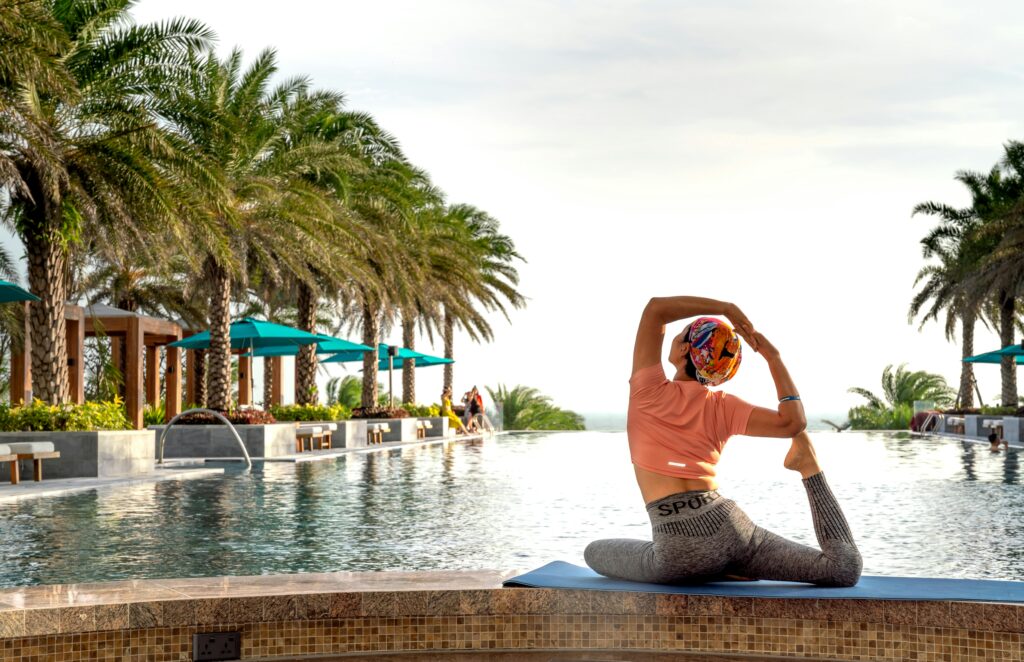
Benefits of Morning Yoga for Body and Mind
What makes morning yoga such a powerful habit? Here are some of the key benefits you can expect from a regular morning yoga practice:
- Boosts energy and alertness: A short yoga session gets your blood flowing, wakes up stiff muscles, and shakes off any residual sleepiness. In fact, regular exercise is proven to boost energy levels and reduce fatiguehealthline.com – so you’ll likely feel more energized throughout the day after your morning yoga.
- Improves flexibility and posture: Gentle morning stretching helps loosen up tight muscles and joints after a night’s sleep. Over time, daily yoga increases your overall flexibility. Many poses also engage your core and back, which can improve your posture and alignment. You might find those nagging morning aches disappear as your body becomes more limber and strong.
- Reduces stress and anxiety: Starting your day with mindful movement and breathing activates your parasympathetic nervous system – the “rest and digest” response – which helps lower stress hormones and ease anxiety. You’re giving yourself a moment of peace at the start of the day, which leads to a calmer mindset all day long.
- Enhances focus and mindfulness: By concentrating on your breath and body in each pose, you’re practicing mindfulness. This habit carries over into better focus and concentration in your daily tasks. In fact, research shows that people who exercise in the morning enjoy improved attention and cognitive functionhealthline.com.
- Boosts mood and outlook: Movement is a natural mood booster. Yoga encourages the release of endorphins – those “feel-good” brain chemicals – which can lift your mood and combat stresshealthline.com. A brief morning yoga flow also gives you a sense of accomplishment first thing, helping you start the day on a positive note with an optimistic outlook.

Step-by-Step: 10-Minute Morning Yoga Sequence for All Levels
Ready to get moving? Let’s walk through a simple step-by-step morning yoga routine you can do in about 10 minutes. This sequence is beginner-friendly and adaptable to all levels, so feel free to modify or skip any pose that doesn’t work for you. Remember to breathe deeply in each pose and listen to your body – yoga is not about perfection, but about how you feel.
- Child’s Pose: Kneel on your mat with your big toes touching and knees apart. Sit your hips back toward your heels and reach your arms forward, resting your forehead on the mat. Take a few slow, deep breaths here. This gentle stretch wakes up your back, hips, and shoulders, easing any tension from sleep. Tip: If your knees are sensitive, place a cushion or folded blanket under your knees or ankles for support.
- Cat-Cow Stretch: Rise up to all fours (hands and knees). As you inhale, drop your belly and lift your chest and tailbone – this is Cow Pose. As you exhale, round your spine upward and tuck your chin toward your chest – this is Cat Pose. Continue flowing through Cat-Cow for 5–6 breaths, moving at your own pace. These spinal waves warm up your back and gently engage your core, preparing your body for the day.
- Downward-Facing Dog: From all fours, tuck your toes under and press into your palms to lift your hips up and back. Your body forms an inverted “V” shape. Don’t worry if your heels don’t touch the ground – you can keep your knees bent. Spread your fingers wide and relax your neck, letting your head hang. Take 3–5 deep breaths here. Downward Dog stretches your hamstrings, calves, and spine, while also sending blood to your brain to help you feel alert.
- Forward Fold (Rag Doll): Walk your hands back toward your feet (or step your feet up toward your hands) to come into a standing forward bend. Let your upper body hang heavy over your legs. You can bend your knees generously, and even hold opposite elbows with your hands, gently swaying side to side. This Rag Doll pose releases tension in your lower back and hamstrings. Nod your head “yes” and “no” to loosen your neck. Take a couple of breaths here, feeling the stretch along the backs of your legs.
- Mountain Pose with Extended Stretch: Slowly roll up to standing, one vertebra at a time. Stand tall with feet hip-width apart, arms relaxed by your sides. On an inhale, sweep your arms overhead, reaching for the sky (you might even lift up onto your toes briefly). Press your palms together or keep them shoulder-width apart. Take a deep breath as you lengthen your body from your feet through your fingertips. You can gently arch backward a few inches or lean to each side for a side stretch, opening up the front and sides of your body. This invigorating stretch lengthens your spine and wakes up your whole body.
- Low Lunge (Right Side): Step your right foot forward into a lunge position. Align your right knee above your right ankle. Lower your left knee to the mat (place a towel under it for cushioning if needed). Rest your hands on your right knee or reach your arms up overhead. Breathe deeply, feeling the stretch in the front of your left hip and thigh. Take 2–3 breaths, sinking your hips forward slightly on each exhale. This pose opens up your hips and hip flexors, which tend to be tight in the mornings.
- Warrior II (Right Side): From the lunge, plant your left foot flat on the mat behind you (toes pointing slightly out) and lift your left knee off the ground. Open your arms out to the sides at shoulder height. Turn your torso and left foot to the left so you’re facing the side of your mat. Bend your right knee deeply (aim to keep it above your ankle) and gaze over your right fingertips. Reach actively through both arms. In Warrior II, you build strength in your legs and core while increasing hip openness. Hold for a few breaths, feeling strong and steady.
- Switch Sides – Lunge & Warrior II (Left Side): Bring your hands down to the mat and step your right foot back. Now step your left foot forward between your hands into a lunge. Repeat the Low Lunge stretch on this side, breathing into the right hip. Then move into Warrior II on the left: pivot your right heel down, open your body to the right side of the mat, and extend your arms out at shoulder level. Bend your left knee over the ankle. Hold for several deep breaths, finding balance and strength on this side.
- Standing Forward Bend to Mountain: Gently release the pose and bring both feet together at the front of your mat. Exhale into a relaxed forward bend again, just like in step 4, to let go of any remaining tension. Then inhale and slowly roll up to standing Mountain Pose once more. Take a moment standing tall – feel the ground under your feet and the fresh energy in your body. You can bring your hands together at your heart in a brief moment of gratitude for the new day.
- Easy Pose & Breath (Seated Finish): Finally, sit down in a comfortable cross-legged position (Easy Pose). Rest your hands on your knees or in your lap. Close your eyes and take 3 deep, mindful breaths in and out through your nose. Allow your shoulders to relax. This short seated meditation helps you absorb the benefits of your practice. If you like, set a positive intention for your day (for example, “I will approach today with calm and energy”). When you’re ready, blink your eyes open and rise gently.
You did it – a quick morning yoga flow to jump-start your day! This simple sequence moves your spine in multiple directions, stretches major muscle groups, and gets your blood circulating. Feel free to adjust the timing: hold any pose longer if it feels good, or skip or modify poses as needed. With regular practice, you’ll find this routine becomes easier and your body feels more awake and flexible each morning.
Tips to Make Morning Yoga a Daily Habit
Turning morning yoga into a lasting habit is easier than you might think. Here are some tips to help you integrate this practice into your life:
- Be consistent: Commit to your yoga at the same time each morning. Whether it’s right after you wake up or just before breakfast, make it a non-negotiable part of your routine. Consistency is key – even a few minutes every day will make a difference. (For more inspiration on sticking with a routine, check out our guide on maintaining a daily yoga practice.)
- Prepare your space: Set up a comfortable spot at home for your yoga. Lay out your mat the night before, or designate a corner of your room for practice. Having a ready-to-go space makes it much easier to roll out of bed and onto the mat. You’ll be less tempted to skip your session if your environment is inviting and ready.
- Start small: If you’re new or short on time, it’s perfectly fine to start with just 5–10 minutes. You don’t have to do a long workout for it to count – this 10-minute routine is enough. The important thing is showing up. As you get used to it, you might naturally want to extend your practice, but there’s no pressure to do more than feels right.
- Listen to your body: Every day is different. If you feel extra stiff or tired one morning, go easy on yourself. Modify poses as needed – for example, keep your knees bent in forward folds or use a pillow under your knee in lunges. The goal is to gently wake up your body, not to push to the point of pain. By respecting your limits, you’ll enjoy yoga more and stick with it.
- Add mindfulness: Consider ending your yoga session with a minute of quiet meditation or deep breathing. After your last pose, stay seated and focus on your inhale and exhale, or try a short morning meditation to center yourself. Setting an intention or expressing gratitude at the end can amplify the mental benefits and carry that calm, positive energy into the rest of your day.

By following these tips, you’ll find it easier to make morning yoga a rewarding daily ritual. Remember, some days will be smoother than others – and that’s okay. The key is to show up for yourself, even if it’s just a few minutes. Over time, your mind and body will come to appreciate this healthy start to the day. Instead of hitting snooze or scrolling through your phone, you’re giving yourself a gentle, invigorating workout and a moment of mindfulness. Morning yoga truly can transform how you feel for the rest of the day – helping you stay focused, upbeat, and comfortable in your body.
FAQ
Q: Is 10 minutes of morning yoga really enough?
A: Yes! Even a short routine boosts blood flow, releases stiffness, and clears your mind. Consistency matters more than duration.*
Q: I’m not flexible — can I still do morning yoga?
A: Absolutely! This sequence is designed for all levels. Modify poses, bend your knees, or use props — yoga meets you where you are.*
Q: Should I do yoga before or after breakfast?
A: It’s best before breakfast or on a light stomach. Practice first, then enjoy a nourishing meal afterward to refuel your body.*
Q: Can I do morning yoga every day?
A: Yes! Gentle daily yoga helps improve flexibility, posture, and focus. Just listen to your body and rest if you ever feel fatigued.*
Q: What’s the best time to do morning yoga?
A: Right after waking up is ideal. It helps you feel grounded, focused, and ready for the day ahead — no coffee required!*
Written by Sofia Patel – Yoga Daily