Have you ever dreamed of rolling out your mat in a space that feels entirely your own—a sanctuary where stress melts away the moment you step inside? Creating your own yoga studio setup at home isn’t just about design; it’s about cultivating a space that supports mindfulness, focus, and calm. Whether you live in a small apartment or a spacious house, you can build a beautiful, functional yoga haven that encourages consistency and inner balance.
In this guide, you’ll learn how to design a home yoga studio that’s both inspiring and practical, with budget-friendly yoga essentials, cozy decor ideas, and tips to maintain the spirit of your practice every day.
The Power of a Personal Yoga Space
Before we jump into mats, lighting, and decor, let’s pause to reflect: why does having a dedicated yoga space matter?
A personal studio reminds your body and mind that this is your sacred corner for home wellness. It signals rest, balance, and self-care. When your environment supports your practice, consistency naturally follows.
Just like lighting a candle before meditation, entering your yoga corner prepares your mind for stillness and focus—it’s not about luxury, but intentional energy.
Choosing the Perfect Spot for Your Home Yoga Studio
1. Find a Quiet, Natural Corner
Select a part of your home with good ventilation and minimal distractions. Ideally, choose a space with natural light—it boosts serotonin and enhances the calm practice atmosphere. If windows are scarce, soft ambient lighting works beautifully too.
2. Keep It Simple
Minimal design equals maximum peace. Remove unnecessary furniture or clutter. A tidy space helps the mind stay centered. Remember: your yoga area doesn’t have to be large—it just needs to feel open.
3. Define Boundaries
Use a rug, screen, or low shelf to visually separate your yoga zone from other parts of your home. This helps your mind “switch modes” from daily life to mindful presence.
Yoga Essentials for Every Home Setup
You don’t need to invest heavily to begin. Start with the basics and build your yoga studio setup gradually.
Must-Have Items for Beginners:
- Yoga Mat: Choose one that’s durable, non-slip, and easy to clean.
- Blocks: Great for alignment and support in standing or balance poses.
- Strap: Helps improve flexibility and form.
- Bolster or Cushion: Perfect for meditation and restorative postures.
- Blanket: Adds comfort during relaxation or seated positions.
Optional Additions for Comfort:
- Essential Oil Diffuser: Calming scents like lavender or eucalyptus deepen relaxation.
- Small Speaker: For soft instrumental or mantra music.
- Mirror: Helps with alignment and body awareness.
- Plants: Living decor that promotes clean air and connection to nature.
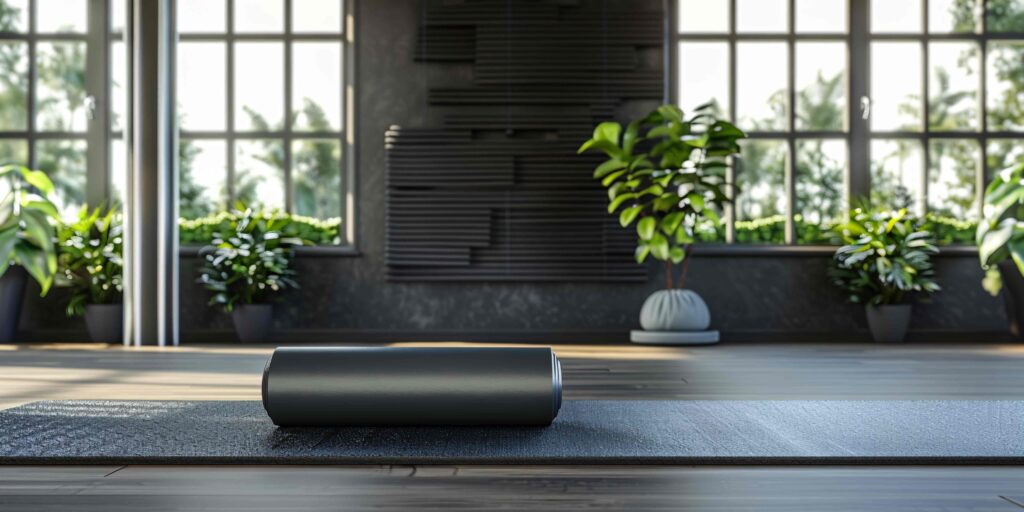
Design Ideas for a Cozy and Inspiring Yoga Studio
1. Play with Lighting
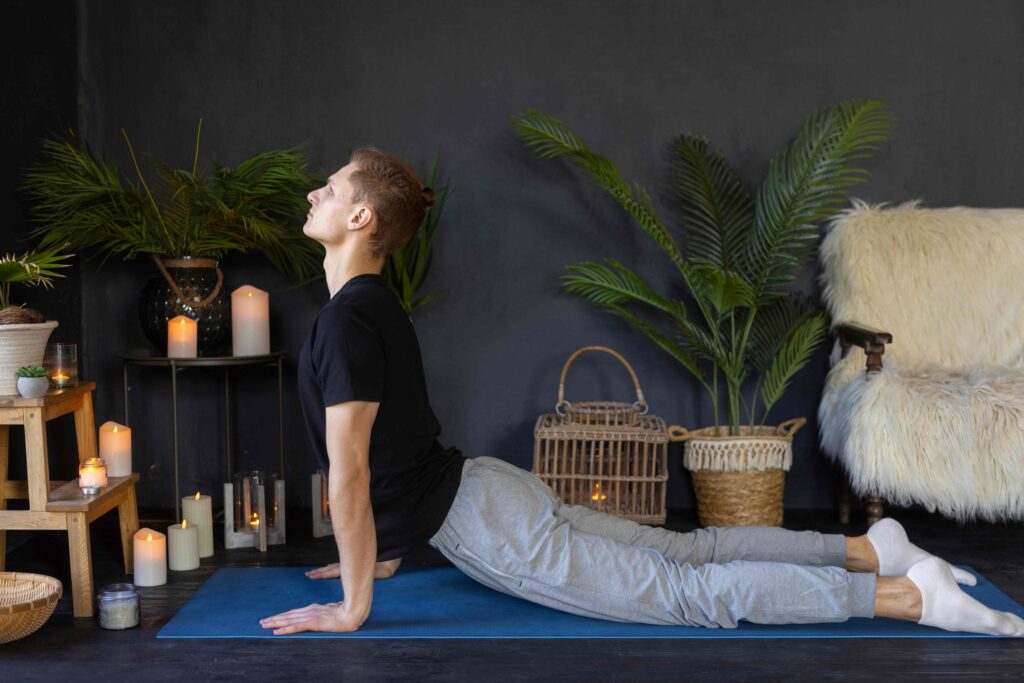
Lighting defines mood. Use soft white bulbs or warm string lights for a tranquil glow. If you’re practicing at sunrise or sunset, position your mat to catch the natural light—it’ll transform your session.
2. Use Soothing Colors
Soft neutrals, greens, and earth tones create a grounded atmosphere. Avoid harsh or bright colors that can distract the mind.
3. Add Personal Touches
Incorporate small objects that uplift you: a photo of nature, a favorite quote, or a small statue of Ganesha or Buddha.
4. Keep It Clutter-Free
A cluttered space can block energy flow. Use baskets or drawers to store props neatly. Remember—the less visual noise, the more mental stillness.
Budget Setup Tips: Creating Your Studio Without Overspending
You can absolutely achieve a serene yoga studio setup on a budget. Here’s how:
- Reuse What You Have: A blanket can replace a bolster, and a sturdy book can act as a yoga block.
- Shop Second-Hand: Look for gently used mats or decor items online.
- DIY Touches: Frame your favorite quotes or make your own incense holder.
- Invest Gradually: Start simple and add pieces as your practice grows.
The key is intention, not price tags.
Maintaining the Energy of Your Space
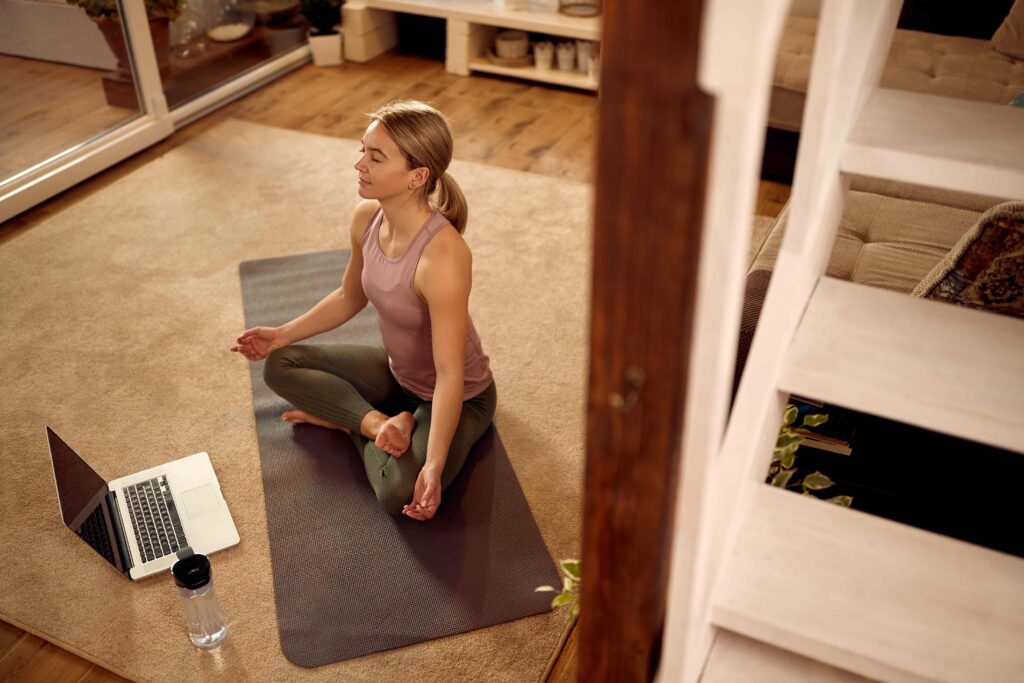
Your yoga corner is more than a physical setup—it’s an energetic environment. Keep it alive and fresh by:
- Cleaning regularly to clear stagnant energy.
- Lighting a candle or incense before practice to create ritual.
- Opening windows for natural airflow and prana (life force).
- Changing decor seasonally to reflect renewal and flow.
Over time, you’ll notice how entering this space automatically softens your breath and focuses your attention—a natural meditation trigger.
Enhancing Mindfulness and Home Wellness
A well-organized yoga studio setup supports not just your body, but your mind. Practicing in a dedicated space enhances discipline and mindfulness. It teaches you how environment shapes awareness.
Try keeping a small notebook nearby. After each session, write a few words about how you feel. Over time, you’ll see patterns of growth, stillness, or emotion—your own yoga journey written in quiet reflection.
Integrating Yoga into Everyday Life
Even outside your studio, carry the same energy through your day. Whether it’s mindful breathing while cooking or stretching after work, your yoga mindset extends beyond the mat.
Suggestions For You
- Read more on: yoga studio design aesthetics
- Learn about mindful home decor and design psychology at Harvard Health’s mindfulness resource.
Build Your Personal Sanctuary
Creating a yoga studio setup at home is about crafting a sanctuary for your body and soul. It’s where you realign, breathe, and reconnect with what truly matters.
Even the smallest corner can become a sacred retreat when filled with love and intention. Start today—lay down your mat, light a candle, and let your breath guide you home.
Frequently Asked Questions
Q: What’s the minimum space needed for a home yoga studio?
A: Ideally, you should have enough room to stretch your arms and legs freely in all directions—around 6×6 feet is perfect for most practices.
Q: Can I practice yoga in my bedroom?
A: Absolutely. Just ensure there’s enough floor space and that you keep the area tidy to maintain focus and tranquility.
Q: How do I keep my yoga space feeling fresh?
A: Clean regularly, open windows, and refresh your decor occasionally with flowers, new scents, or soft fabrics.
Q: What lighting is best for a home yoga studio?
A: Natural light is ideal. For evening sessions, use soft, warm lamps or candles to create a calming ambiance.
Q: Do I need special flooring for yoga?
A: A good yoga mat is usually sufficient, but if your floor is hard, consider adding a thin rug or foam base underneath for comfort.
Written by Lila Morgan – Yoga Daily
Sources: