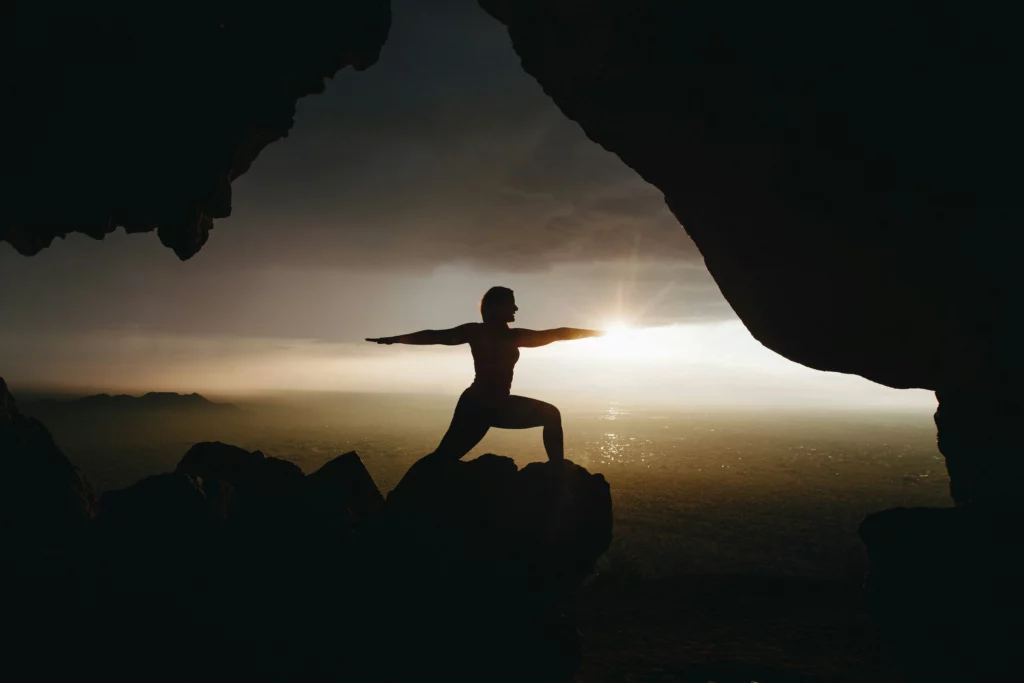
Have you ever felt like your body is running faster than your breath? Modern life pushes us to move quickly—but your nervous system needs slow moments to heal. That’s where a Yin Yoga Sequence comes in. Unlike dynamic practices, Yin invites you to soften into each pose, hold stillness, and let your mind unwind. In this guide, you’ll learn how Yin Yoga helps relieve stress, improve flexibility, and create deep relaxation, even on your busiest days.
What Is Yin Yoga and Why It’s Different
Yin Yoga is a slow-paced, meditative practice focusing on long-held postures that target the body’s deeper tissues—ligaments, joints, and fascia. Instead of muscle strength, Yin emphasizes surrender. You stay in each posture for three to five minutes, allowing gravity and breath to do the work.
While many yoga styles build heat, Yin cools the body and calms the mind. It’s like pressing pause on the chaos of your day.

The Science of Stillness: How Yin Yoga Calms the Nervous System
When you slow down your breath and hold gentle poses, your parasympathetic nervous system—the “rest and digest” mode—takes over. This physiological shift lowers cortisol levels, relaxes your muscles, and eases anxiety.
According to studies from Harvard Health, consistent slow-breathing practices like yoga and meditation can reduce stress, lower heart rate, and improve emotional regulation. Yin Yoga combines all these effects into one peaceful ritual.
Benefits of Practicing a Yin Yoga Sequence Regularly
- Deep Relaxation – Long holds give your mind permission to rest, releasing built-up tension.
- Improved Flexibility – Gentle stretching enhances joint mobility without strain.
- Better Sleep – Practicing before bedtime promotes calm and prepares the body for rest.
- Emotional Balance – Slow yoga allows suppressed feelings to surface and dissolve naturally.
- Mindful Awareness – You learn to stay present, cultivating patience and acceptance.
Isn’t it fascinating how slowing down can make you feel more alive?
Essential Yin Yoga Poses for Stress Relief
Each posture in a Yin Yoga Sequence has its own magic. Here’s a simple series to melt tension from head to toe.
1. Butterfly Pose (Baddha Konasana)

Sit with the soles of your feet together and let your knees fall open. Fold forward gently, resting your hands on your feet or the mat. Stay here for 3–5 minutes, breathing into your hips.
Tip: Use a bolster or pillow under your forehead for extra comfort.
2. Supported Child’s Pose (Balasana)

Kneel on your mat, bring your big toes to touch, and open your knees wide. Place a bolster or cushion between your thighs and rest your torso on it. Let your arms fall beside you.
Benefit: Soothes the lower back and calms the mind through gentle compression.
3. Reclined Twist (Supta Matsyendrasana)

Lie on your back, bring your knees to your chest, and drop them to one side. Stretch your opposite arm out and gaze the other way. Feel the gentle twist through your spine.
Hold for 3 minutes per side, exhaling tension.
4. Legs-Up-The-Wall Pose (Viparita Karani)

Lie close to a wall and extend your legs upward, letting them rest vertically. Close your eyes and focus on your breath.
Why it works: This inversion reverses blood flow, promoting circulation and a calm mind—perfect for stress management.
5. Savasana (Final Relaxation)
End your sequence lying flat on your back with palms open. Let go of effort and allow your body to sink into the mat. Stay for at least 7 minutes.
Imagine your stress melting into the ground beneath you.
Mindful Breathing During Yin Yoga
Your breath is your guide. Try the 4-6 breathing technique: inhale for four counts, exhale for six. Longer exhalations activate your relaxation response, deepening the effects of Yin.
Combine this with mindful awareness—notice sensations, thoughts, and emotions without judgment. This union of stillness and observation transforms a simple Yin Yoga Sequence into a meditative experience.
When to Practice Yin Yoga for Maximum Benefits
Yin is ideal:
- In the evening to unwind after work
- During high-stress periods when your body craves stillness
- After an intense workout to balance yang energy
- On rest days for active recovery
Even 20 minutes before bed can improve your mood and quality of sleep.
Creating a Peaceful Space for Yin Yoga
Transform your environment into a sanctuary for relaxation:
- Dim the lights or use candles.
- Play soft ambient or nature sounds.
- Keep a blanket nearby to stay warm.
- Use bolsters or pillows to support your body fully.
The goal? Comfort. The more supported you feel, the deeper your release.
The Mental Side of Yin: Finding Stillness Within
As your body relaxes, you’ll start to notice your inner world—emotions, memories, even resistance. This is the essence of restorative yoga: learning to sit with what arises.
It’s not about perfect form; it’s about honest presence. Through consistent Yin practice, you’ll cultivate the emotional resilience to meet life’s challenges with grace.
Want to explore more slow and mindful practices? Check out our Yoga for Beginners & Seniors category for gentle routines that nurture body and soul.
Integrating Yin Yoga into Daily Life
Think of Yin Yoga as your reset button. It reminds you that healing doesn’t always require action—sometimes, it requires stillness.
Try setting aside one evening a week for this Yin Yoga Sequence. Light a candle, breathe deeply, and simply allow yourself to rest. Over time, you’ll notice not only improved flexibility but also emotional clarity and peace.
Slow Down to Heal
When life gets noisy, Yin Yoga whispers, “Be still.” Each long-held posture becomes a meditation—a way to reconnect with your body and soften your thoughts. Whether you’re seeking flexibility, calm, or self-connection, this Yin Yoga Sequence offers a pathway back to balance.
Remember: slowing down isn’t giving up—it’s coming home.
If you loved this guide, explore more mindful practices in our Yoga Poses & Challenges collection.
Frequently Asked Questions
Q: What makes Yin Yoga different from Restorative Yoga?
A: Yin Yoga uses mild stress on tissues to improve flexibility, while Restorative Yoga focuses purely on relaxation with full support and minimal stretch.
Q: How long should I hold each Yin Yoga pose?
A: Typically, 3–5 minutes per pose allows connective tissue to release safely. Beginners can start with shorter holds and gradually increase duration.
Q: Can I practice Yin Yoga every day?
A: Yes, but it’s best to listen to your body. Daily short sessions are fine as long as you rest deeply between poses and avoid overstretching.
Q: Is Yin Yoga good for anxiety and sleep?
A: Absolutely. The slow pace, mindful breathing, and stillness of Yin Yoga naturally activate your body’s relaxation response, easing anxiety and improving sleep.
Q: Do I need props for Yin Yoga?
A: Props like bolsters, blankets, and blocks enhance comfort but aren’t required. You can use household items—pillows or towels work perfectly.
Written by Sofia Patel – Yoga Daily