In a world that rarely slows down, finding stillness has become an act of courage. You move from one task to another, often craving peace that seems just out of reach. That’s where Meditation Yoga comes in—a powerful fusion of movement and mindfulness designed to balance body and mind.
This article will show you how combining yoga and meditation can bring inner peace, mental clarity, and spiritual harmony to your daily practice. You’ll learn practical techniques to calm your nervous system, strengthen focus, and restore a sense of calm energy that lasts long after your mat session ends.
The Synergy Between Meditation and Yoga
Yoga and meditation have always been two sides of the same coin. Yoga prepares the body for meditation, while meditation deepens the experience of yoga. When you merge them, something magical happens—your movements become a form of prayer, and your breath becomes a bridge between the physical and the spiritual.
Both practices share the same ultimate goal: union. Yoga unites body and breath; meditation unites awareness and stillness. Together, they create a complete system for stress relief, focus, and emotional balance.
Why Meditation Yoga Brings Calm Energy
When you practice Meditation Yoga, your breath becomes an anchor. Instead of rushing through poses, you pause—breathing deeply into each stretch and allowing awareness to flow naturally. This mindful movement stimulates the parasympathetic nervous system, lowering cortisol levels and promoting tranquility.
You’re not just doing yoga; you’re cultivating calm energy from within.
The Science of Calm
Research shows that combining mindful movement with meditation increases GABA (gamma-aminobutyric acid) levels in the brain, responsible for reducing anxiety and tension (Harvard Health). Over time, this synergy rewires your stress response, helping you remain grounded even when life feels chaotic.
How to Combine Meditation and Yoga Step by Step
Let’s break down a simple framework to help you integrate these two powerful practices.
1. Set an Intention
Before you roll out your mat, take a moment to center yourself. Ask: What energy do I want to create today? Whether it’s peace, patience, or focus, intention gives your practice meaning.
2. Begin with Gentle Movement
Start with a few rounds of Sun Salutations (Surya Namaskar) to warm the body. Move slowly, linking each movement to your breath. Think of this as meditation in motion.
3. Focus on Breath Awareness
Inhale deeply through your nose, expanding your ribs; exhale softly, releasing tension. Try Ujjayi Pranayama—the oceanic breath—to maintain rhythm and concentration throughout your flow.
4. Transition into Stillness
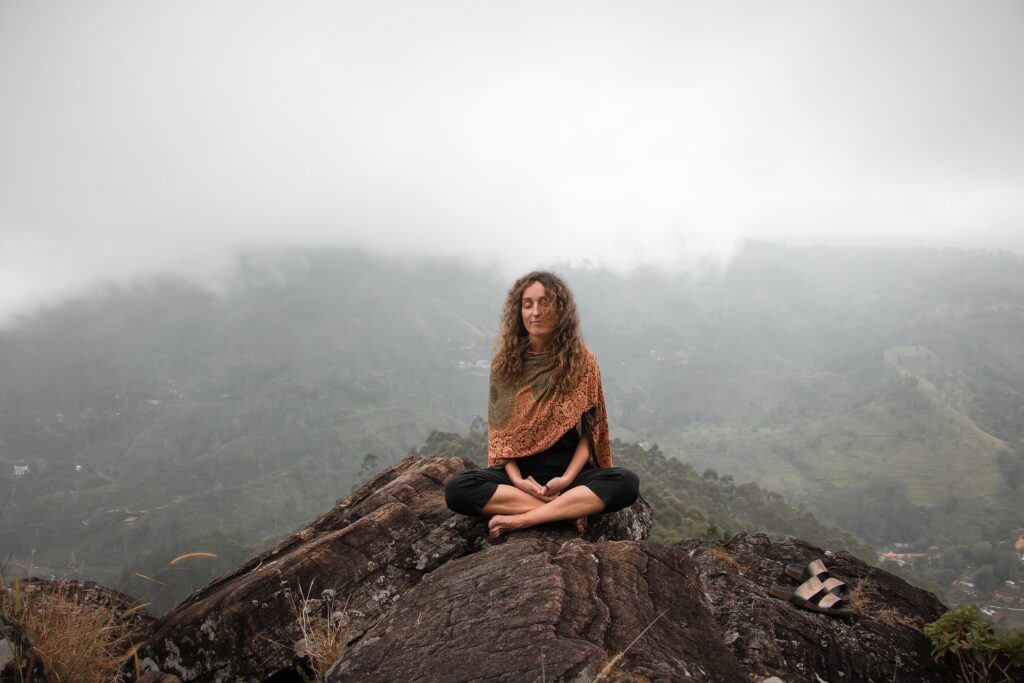
After your movement sequence, find a comfortable seated position. Keep your spine tall, hands resting gently on your knees. Close your eyes and simply observe your breath. Let your awareness rest in your heart space.
5. Add a Mantra or Visualization
You can silently repeat a calming affirmation such as “I am peace” or visualize light flowing through your body. This deepens focus and connects you to spiritual harmony.
6. End with Gratitude
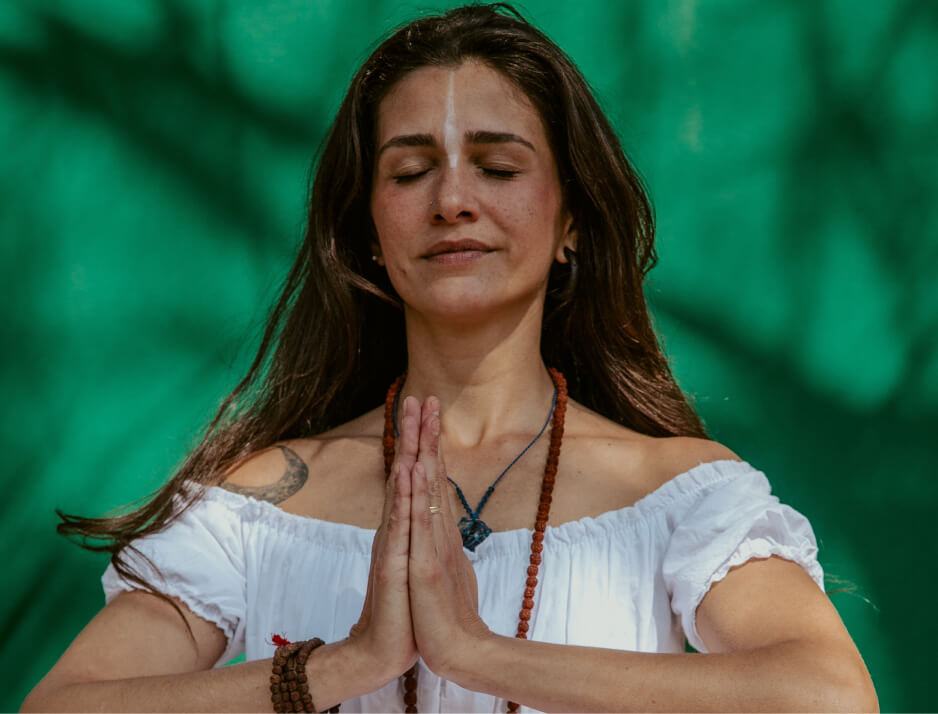
Before closing your practice, bring your palms to heart center and give thanks—for your body, your breath, and the moment itself.
7 Daily Practices for Calm Energy
To bring Meditation Yoga off the mat and into your life, try these daily micro-habits:
- Morning breathwork: Begin your day with five slow, mindful breaths before checking your phone.
- Mindful movement: Take a 10-minute yoga stretch break between work tasks.
- Walking meditation: Sync your steps with your breath for a moving mindfulness session.
- Digital sunset: Turn off screens 30 minutes before bed and do light stretching.
- Tea ritual: Sip herbal tea slowly, focusing on warmth, aroma, and gratitude.
- Body scan: Before sleep, bring attention to each body part and relax it consciously.
- Smile meditation: Breathe in joy, breathe out stress—yes, smiling is part of the practice.
These moments of awareness compound over time, creating a steady current of calm that flows through your entire day.
The Physical Benefits of Meditation Yoga
Physically, this combined practice enhances balance, flexibility, and posture while easing chronic tension. By slowing transitions between poses, you strengthen smaller stabilizing muscles often neglected in fast flows.
Moreover, breathing deeply oxygenates your blood, improving circulation and energy levels. It’s a holistic workout that nourishes both body and mind—without depleting your reserves.
The Mental and Emotional Benefits
Your mind is like a lake. Constant activity stirs the surface, but when you practice meditation through yoga, the waters begin to settle. You see your reflections—your thoughts, emotions, even your stress—with clarity and compassion.
Key Mental Benefits:
- Greater focus and attention span
- Improved emotional regulation
- Reduced anxiety and reactivity
- Enhanced sense of self-awareness
- Increased inner peace and confidence
Over time, Meditation Yoga helps you build a balanced mind, where emotions no longer control you—they inform you.
Tips to Deepen Your Meditation Yoga Practice
- Be consistent: Even 10 minutes daily creates momentum.
- Create a peaceful environment: Use calming music, soft lighting, or natural scents.
- Study yogic philosophy: Understanding concepts like Pratyahara (withdrawal of senses) enriches your practice.
- Try guided meditations: Apps or online teachers can help refine your focus.
- Listen to your body: Some days call for stillness; others for movement.
Consistency matters more than perfection. Every moment on the mat is a step toward equilibrium.
Explore More
- Learn more about mindful living in our How to Set Up a Small Yoga Studio at Home.
- Explore Aerial Yoga practices for mindfulness.
- Read about the scientific link between yoga, meditation, and stress reduction at Harvard Health.
Conclusion
When you combine yoga and meditation, you don’t just stretch your body—you expand your awareness. This practice teaches you to move from tension to tranquility, from overthinking to presence.
Every time you step on your mat, you’re not escaping the world—you’re training to meet it with calm energy and compassion. Start small, stay consistent, and let the stillness within guide your every movement.
Frequently Asked Questions
Q: How long should a Meditation Yoga session last?
A: A balanced session can last anywhere from 20 to 60 minutes. Even short 10-minute practices can calm the nervous system and improve focus.
Q: Can beginners practice Meditation Yoga?
A: Absolutely. Start with gentle postures, basic breath awareness, and short seated meditations. Over time, your stamina and mindfulness will grow naturally.
Q: What’s the best time to practice Meditation Yoga?
A: Early morning or evening are ideal, when the mind is quiet and the atmosphere serene. However, consistency matters more than timing.
Q: Do I need special equipment for Meditation Yoga?
A: Not at all. A simple yoga mat and comfortable clothing are enough. You may use props like a cushion or block for extra support.
Q: How does Meditation Yoga help with stress?
A: It activates the body’s relaxation response, lowering heart rate and cortisol levels while improving emotional regulation and mental clarity.
Written by Maya Thompson – Yoga Daily